





A ruin that has stood open to the sky since the Reformation
Bury St Edmunds keeps a working demonstration of what a building looks like with no roof at all. The ruined nave of the Abbey of St Edmund stands open in Abbey Gardens, its flint walls rising into empty sky where a vaulted ceiling once closed the space off. Nobody plans a rooflight by studying a ruin, but the contrast is a useful one: everything else standing in the town is a roof that keeps weather out and lets in only as much daylight as the person who built it decided to allow.
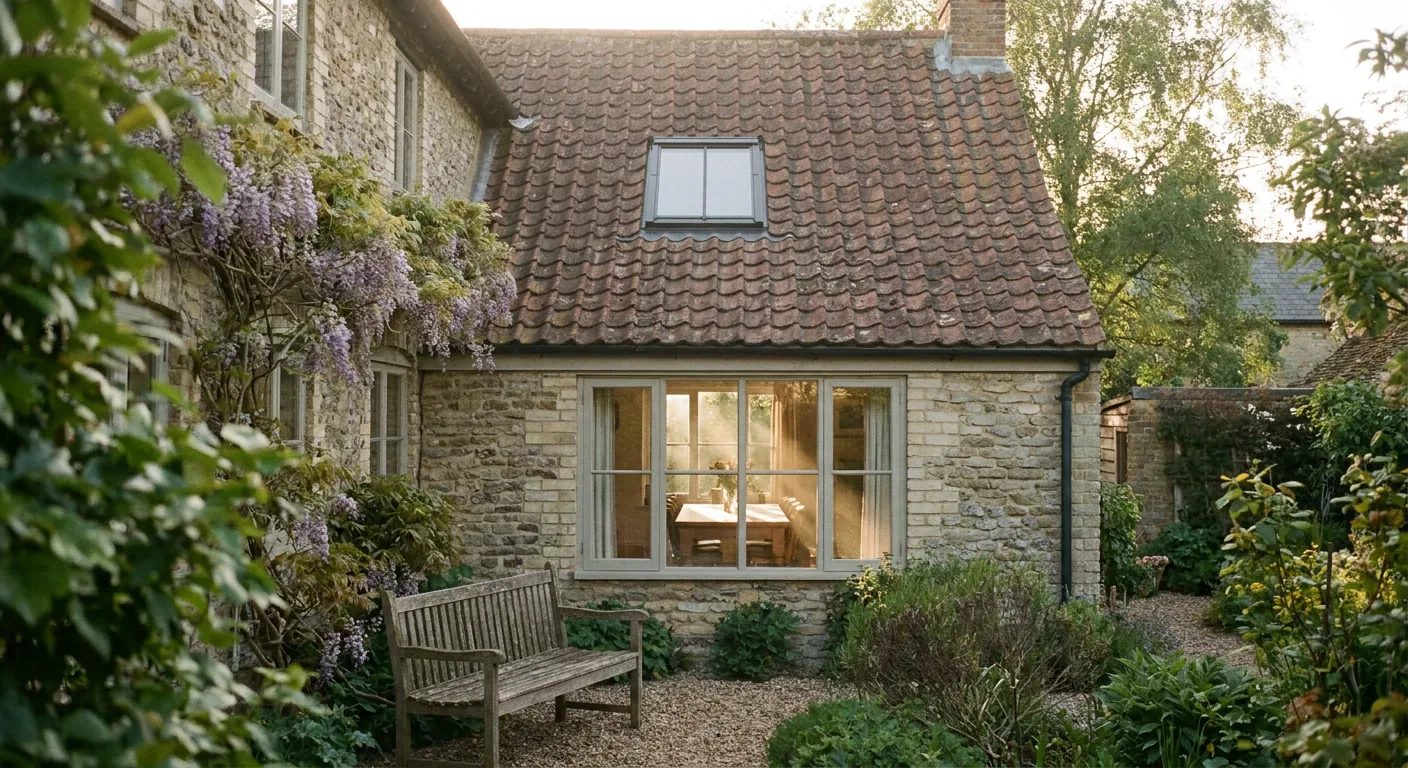
Book a light surveyThat decision is the one we work on. The town was laid out on a grid around the Abbey precinct, one of the earliest planned street patterns in the country, and the houses that filled it in since sit on long, narrow plots running back from the street frontage. A deep plot with walls at both ends and a dark middle is the same problem in a Suffolk market town as it is in a Victorian terrace: the only new light comes from above. Vision Skylights fits and plans rooflights and skylights for homes across Cambridge and well beyond it, Bury St Edmunds included, and the rest of this page walks through how a rooflight installation, or a skylight installation as it is typed into a search bar more often than not, gets planned for this particular town, street by street.
West Suffolk Council now handles planning for the town, and its decisions sit alongside national Building Regulations that apply whichever street the roof stands on. Getting both right starts with knowing what kind of roof is actually there, which is where a survey begins rather than ends.